OEM Service Page
OEM and Private Label Freeze-Dried Snack Projects
OEM and private-label programs for importers, distributors and food brands sourcing freeze-dried fruit, vegetables, candy and selected snack products. Share the product, destination, pack size and estimated quantity to review product fit, sample options, packaging requirements, artwork status and available export documents before quotation.
Direct Answer
What this OEM service page is for
GlobalCrispy reviews OEM and private-label projects for freeze-dried fruits, freeze-dried vegetables, freeze-dried candy, freeze-dried ice cream and selected vegetable chips. The page is most useful for importers, global distributors and food brands comparing bulk supply, retail pouches or private-label packaging for export markets. Buyers can discuss product format, sample matching, packaging route, label and artwork coordination, carton marks and available export documents. Product MOQ and packaging MOQ may be separate, and certificate scope must be checked by product and production facility. Send a short project brief with product, destination, pack size and estimated quantity so the first review can focus on feasibility and quotation inputs.
Service Scope
What This Service Covers
These items can be reviewed or coordinated for an OEM freeze-dried fruit or snack project. They are quotation inputs, not promises of fixed MOQ, fixed lead time or universal certificate coverage.
Product selection
Shortlist suitable freeze-dried fruit, candy, ice cream, vegetable or vegetable snack options by sales channel, format, flavor direction and sample target.
Sample matching
Review appearance, color, texture, broken ratio, flavor and packaging fit before quotation.
Packaging planning
Compare bulk cartons, plain pouches, labels, printed pouches, jars or gift packs.
Label and artwork coordination
Check artwork files, label information and pouch layout before final printing discussion.
Carton and shipping mark review
Confirm carton quantity, carton marks and shipping marks before production and shipment.
Available document coordination
Request product specifications, COA or certificate copies only for the selected product and facility route.
Customization Scope
What Can Be Customized for Importers and Distributors?
Customization starts with the commercial route: bulk supply, retail-ready packaging or private-label packaging. For private-label freeze-dried fruit projects, buyers usually need to clarify fruit type, cut format, pack size, label route and destination-market document needs before artwork or quotation can be reviewed. The table below separates what can usually be discussed from what still needs project confirmation.
| Customization Area | What Buyers Can Discuss | What Still Needs Confirmation |
|---|---|---|
| Product selection | Freeze-dried fruit, vegetables, candy, ice cream, selected vegetable chips or mixed snack concepts for distributors, food brands and retail programs. | Current product availability, sample match and applicable production route. |
| Specification and format | Cut style, piece size, powder direction, broken-piece tolerance, moisture-related requirements and application fit. | Final specification sheet, batch limits and whether the requested format is available for the selected product. |
| Formulation or seasoning | Flavor direction, seasoning where applicable, sweetness direction or mixed-product ideas. | Ingredient list, allergen declaration, sample approval and whether development is part of the confirmed project scope. |
| Bulk packaging | Inner bag, carton packing, carton marks and carton data for importers, repackers or food manufacturers. | Carton dimensions, gross weight, pallet or loading requirements and destination-market documentation. |
| Retail packaging | Stand-up pouch, plain pouch with label, printed pouch, jar, gift pack or assortment route. | Pouch material, barrier needs, pack weight, artwork dieline, printed-packaging MOQ and lead-time factors. |
| Private-label packaging | Label route, artwork coordination, SKU planning, barcode placement, carton marks and packaging reference review. | Local label compliance, final artwork approval, legal claims, language requirements and importer responsibilities. |
| Quality documentation | Specification, ingredient information, allergen declaration, available certificate copies, COA or shipment documents where applicable. | Product, facility, batch, destination market and current certificate validity. |
| Shipping and export preparation | Carton information, shipping marks, document coordination and shipment handover details. | Importer requirements, customs broker instructions, final carton data and logistics route. |
Product Fit
Products Available for OEM Review
Freeze-dried fruits
Common use: retail pouches, cereal toppings, dairy and bakery inclusions, distributor ranges and mixed fruit snacks, including apple chips for private label programs.
Format direction: slices, dices, pieces, powders or mixed fruit, based on confirmed product availability.
Sample review: color, flavor, moisture condition, broken ratio and pack fit.
Freeze-dried vegetables
Common use: snack mixes, soup ingredients, seasoning blends and ingredient applications.
Format direction: pieces, dices, granules or powder depending on the vegetable.
Sample review: aroma, texture, cut size, color and rehydration expectations where relevant.
Freeze-dried candy
Common use: novelty retail, ecommerce bundles, gift packs and colorful private label snacks.
Customizable factors: candy type, color mix, assortment direction, pouch size and gift route.
Sample review: expansion, crunch, color, breakage and visual assortment.
Freeze-dried ice cream
Common use: gift products, specialty retail, museums, ecommerce and seasonal campaigns.
Customizable factors: flavor, shape, bite size, pouch or gift-box route.
Sample review: texture, flavor, shape breakage, color and moisture protection.
Vegetable chips
Common use: snack packs, mixed vegetable assortments and distributor programs.
Process note: some vegetable chips are vacuum-fried, not freeze-dried, so the process must be stated clearly.
Sample review: seasoning, oil feel, crispness, broken ratio and product shape.
Other confirmed categories
Other snack categories can be reviewed only when product samples, real images and facility route are available for confirmation.
OEM media review
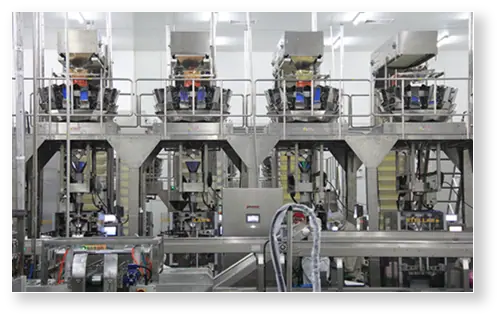
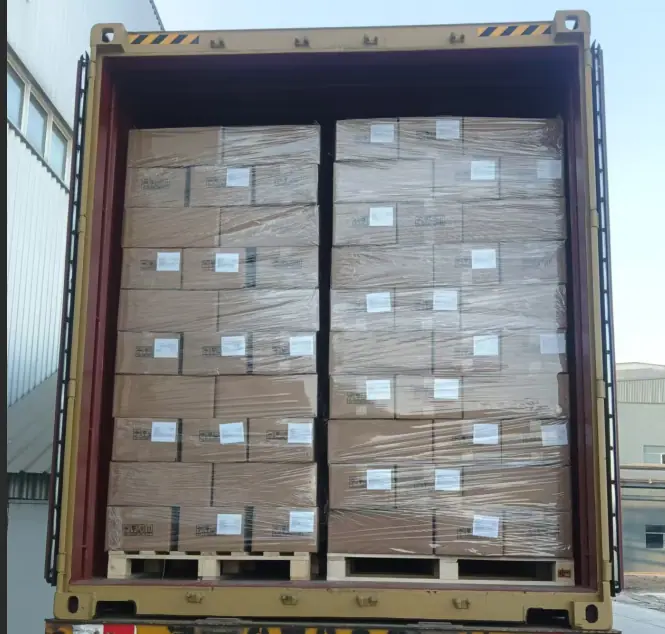
Packaging, Samples and Shipment Photos for OEM Projects
OEM buyers usually need to see product samples, packaging route, packing line evidence and shipment preparation before approving artwork or bulk orders.


RFQ Input
Information Needed for an OEM Quotation
A useful OEM RFQ separates confirmed details from ideas still under review. Send the destination country, product category, pack size, packaging route and estimated quantity first; optional details such as SKU count, certificates and artwork status can be added when available.
Quotation Variables
Project Factors Buyers Should Confirm
OEM freeze-dried food quotations depend on the product and packaging route. The table below separates the most common factors so buyers can prepare a clearer project brief.
| Project Factor | Why It Matters |
|---|---|
| Product type | Different products have different production and packing requirements. |
| Pack size | Affects packaging cost, filled volume and carton loading. |
| Packaging format | Plain pouch, label pouch and printed pouch have different MOQ and artwork requirements. |
| Flavor or formula | Custom development may require additional trials and sample confirmation. |
| Destination market | Label, document and importer requirements vary by market. |
| Estimated quantity | Affects unit cost, production planning and packaging feasibility. |
Cost and Timing Variables
Decisions That Affect MOQ, Cost and Lead Time
This section explains why an OEM quotation cannot be reduced to one universal product price. The product, packaging and approval route all change the project.
Product MOQ and printed pouch MOQ are different
Food production quantity and printed packaging material quantity may be quoted separately. Printed film or pouch suppliers can require their own material minimum even when the food product quantity is lower.
Multi-SKU projects add complexity
Several flavors or products may require separate samples, labels, specifications, cartons and scheduling. A focused first range is usually easier to quote and approve.
Plain pouch + label can fit trial orders
Labels can help buyers test a product before committing to printed pouches. This route still needs label artwork, pack size and destination-market review.
Artwork approval affects progress
Printed packaging cannot move smoothly if dielines, barcode, label language, claims or required importer details are still changing.
Destination documents must be checked early
Product specifications, COA, certificate copies or shipment files should be reviewed before the buyer assumes a product is ready for a specific market.
Fragile products need pack-size review
Freeze-dried ice cream, fruit slices and expanded candy can break during handling. Bag type, fill weight and headspace should be tested before scaling.
Samples are not only about taste
Buyers should also review appearance, texture, moisture condition, broken ratio, product size and whether the product fits the target packaging.
Packaging Routes
Packaging Route Comparison
| Packaging Route | Suitable For | Artwork Requirement | MOQ Effect | Lead-Time Effect |
|---|---|---|---|---|
| Bulk supply | Ingredient users and repackers | Usually not required | Product MOQ | Usually simpler |
| Plain pouch with label | Trial orders | Label artwork | Product, pouch and label factors | Moderate |
| Printed pouch | Retail programs | Full pouch artwork | Printed-film MOQ may apply | Longer |
| Gift or assortment pack | Specialty retail | Multiple artworks may apply | Project-specific | Project-specific |
Project Flow
OEM and Private-Label Project Process
Most OEM projects move from inquiry to specification confirmation, sample review, packaging or artwork approval, quotation, order confirmation, production, quality check and shipment preparation. The exact route depends on the product, packaging and destination market.
| Step | Buyer action | GlobalCrispy action | Output |
|---|---|---|---|
| Buyer submits project details | Send product, market, pack size, quantity and document needs. | Review whether the request is specific enough for sample or quotation discussion. | RFQ direction confirmed. |
| Product and packaging options are reviewed | Choose product categories and sample targets. | Match available product formats or request additional confirmation. | Sample review list. |
| Samples are selected or prepared | Select bulk, label, printed pouch, jar, carton or gift pack route. | Check packaging route, material questions and pack-size feasibility. | Packaging route for quotation. |
| Specification and artwork are confirmed | Confirm estimated order volume, SKUs and destination market. | Prepare quotation discussion and available document list. | Project-specific quotation basis. |
| Quotation and lead time are finalized | Approve sample and provide artwork files if required. | Review artwork, label files, carton marks and pack details. | Pre-production approval points. |
| Production and packing are arranged | Confirm order, packing details and shipment requirements. | Coordinate production, packing, carton preparation and available export files. | Production and packing plan. |
| Inspection and documents are prepared | Confirm required inspection points and destination documents. | Prepare available documents, carton data and pre-shipment information. | Pre-shipment review package. |
| Shipment is arranged | Confirm consignee, destination and shipping requirements. | Coordinate shipping marks, export communication and shipment arrangement. | Shipment arrangement. |
Buyer Evidence
What Buyers Can Check During an OEM Project
Evidence availability is confirmed by the product, production facility, packaging route and destination market. Buyers should request the specific documents and approval records needed for their project before order placement.
OEM Project Workflow
How an OEM Freeze-Dried Snack Project Starts
A useful OEM inquiry starts with the product, destination market, packaging route, SKU count and estimated quantity. Timing, MOQ, certificate scope and shipment documents are confirmed by project, because food requirements and printed packaging requirements may follow different approval paths.
Start With a Short Brief
Buyer action: share the product category, country, sales channel, pack size, packaging route and estimated quantity.
Output: initial product and packaging direction.
Sample and Format Review
Buyer action: compare flavor, texture, color, piece size, broken ratio, moisture condition and how the product fits the planned pack.
Output: sample shortlist or adjustment notes.
Artwork and Label Planning
Buyer action: confirm pouch dimensions, label language, barcode needs and who is responsible for local labeling compliance.
Output: artwork route and approval requirements.
Packaging Approval
Buyer action: review plain pouches, label pouches, printed pouches, jars, gift packs, carton marks and moisture protection needs.
Output: approved packaging route and cost or MOQ factors.
Production and Quality Inspection
Buyer action: confirm specification, ingredient and allergen documents, packing plan and inspection points before production starts.
Output: pre-shipment review checklist.
Shipping and Documents
Buyer action: confirm carton data, commercial documents, destination-market requirements and handover details with the importer or broker.
Output: shipment document package for final review.
After-Sales Support
Buyer action: keep sample notes, specification, packaging version and market feedback for reorder planning or claim review.
Output: reorder reference and improvement notes.
OEM Project Form
Submit an OEM Project Brief
For a useful project review, send the destination country, product, estimated quantity and packaging route first. Pack size, SKU count, artwork status and required documents can be added if already known.
FAQ
OEM Project FAQs
QWhat is the MOQ for an OEM project?
MOQ is reviewed by product category, product format, packaging route, number of SKUs, artwork status and estimated order quantity. There is no single MOQ that applies to every OEM project. A trial order with plain packaging may follow a different route from a printed retail pouch program.
QIs printed pouch MOQ different from product MOQ?
Yes. Printed pouch MOQ can be separate from the food product MOQ because printed film, pouch material and artwork preparation may have their own production requirements. Buyers should confirm both the product quantity and the packaging-material route before comparing quotations.
QCan a trial order use labels instead of printed pouches?
Yes, in many projects a plain pouch with a label can be reviewed for early market testing. This route may help buyers evaluate product response before committing to printed packaging. Final feasibility is checked against product format, pack size, label area and destination-market requirements.
QCan several flavors be combined in one order?
Several flavors or products can be discussed, but multi-SKU projects are more complex than one product. Each SKU may require separate samples, specifications, labels, carton details and production planning. Buyers should send the expected SKU count and estimated quantity for each item.
QWhat artwork files are needed?
Artwork requirements depend on the packaging route. A label route may need label artwork and product information, while printed pouches usually need full pouch artwork with dieline, color references, barcode and required market text. Legal label approval should be confirmed by the buyer or local adviser.
QWhich certificates can be reviewed?
Available certificates and documents depend on the selected product, production facility and destination market. Buyers can request current product specifications, COA or applicable certificate copies for the facility route under review. One certificate should not be assumed to cover every product or shipment.
QCan samples be sent before artwork is finished?
Yes. Product samples can often be reviewed before final artwork is completed. This is useful because buyers should confirm flavor, texture, size, broken ratio and packaging fit before locking pack design. Artwork should move forward after the product and pack size are clear.
QWhat information is required for a quotation?
A useful quotation request should include destination country, company type, sales channel, product category, flavor or format, pack size, packaging route, SKU count, estimated quantity, required certificates, shipment documents, target launch date and artwork status.
Related Pages
Use the right page for the next step
Private label launch guide
Read the private label launch guide before quotation if the sales channel, product role or packaging route is still unclear.
Quality document scope
Review documents for selected product, facility route and destination market before supplier approval.
Factory and packing overview
Check production and packing overview before discussing evidence needed for buyer review.
Freeze-dried fruit options
Review fruit categories before an OEM request if the brand or distributor range is not fixed yet.
Sample review request
Request samples before quotation when flavor, texture, piece size or packaging fit must be checked.
OEM Resources
Plan an OEM Project With Better Inputs
These resources help buyers separate product MOQ from packaging MOQ, review samples, confirm packaging routes and prepare document questions before quotation.
Share your destination market so GlobalCrispy can review product format, packaging route, document scope and shipping details.
Before you leave, get a buyer resource
Choose one practical next step for your freeze-dried snack project. The sales team can reply within 24 hours with a suitable route.
Buyer resource: Compare bulk ingredient vs private-label fruit RFQ requirements before confirming packaging route and MOQ factors.