How Should Buyers Define Breakage and Fines in Bulk Freeze-Dried Fruit?
Breakage and fines need written definitions, not descriptions such as “mostly whole” or “minimal powder.” A useful commercial specification identifies the original fruit format, defines an intact piece, a broken piece and fines, states how the material will be sampled and measured, names the inspection point and records the agreed acceptance criteria. The acceptable result depends on the application. A retail snack pouch and a fruit inclusion for cereal may use the same fruit but require different classifications.
This matters because freeze-dried fruit is fragile. Two people can open the same carton, see the same mix of pieces and still reach different conclusions if the categories were never agreed. The purpose of the specification is to make sample approval and commercial inspection comparable.
Why “Broken Pieces” Is Not a Complete Specification
Terms such as low breakage, good shape, mostly whole and few fines describe an impression, not an inspection method. One person may accept a strawberry slice with a chipped edge as intact; another may classify it as broken. Neither decision can be audited without a written definition.
Replace subjective wording with categories that can be separated and assessed consistently. The definition can refer to the intended shape, the agreed cut, a minimum usable dimension or another observable criterion appropriate to the product. The method must be clear enough for the buyer and supplier to classify the same material in the same way.
First Define the Original Product Format
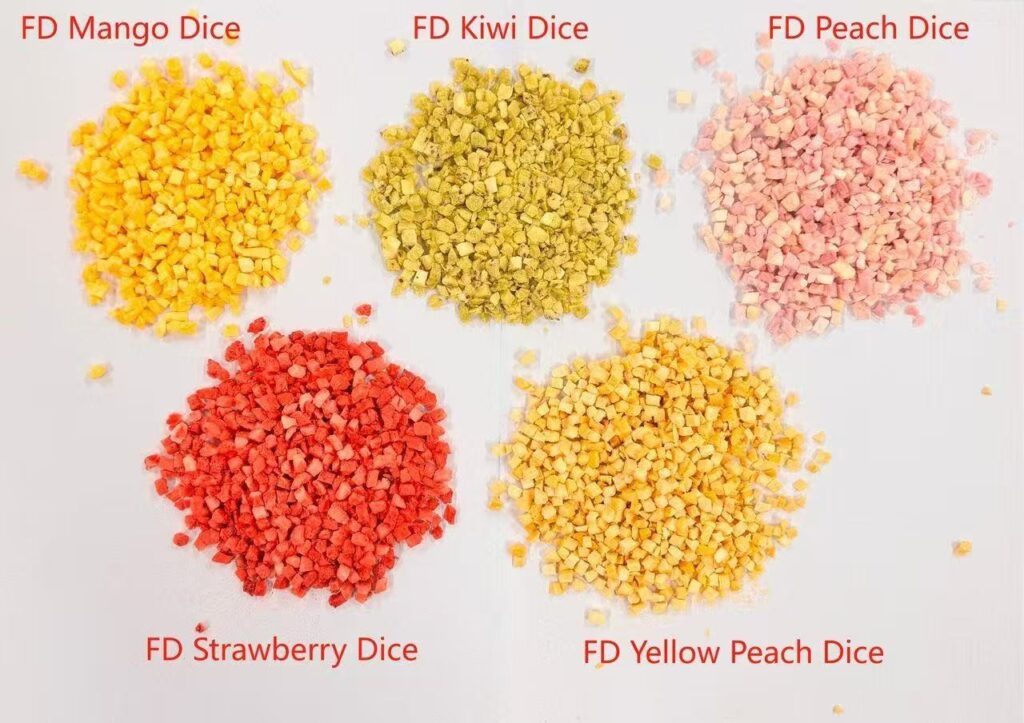
Breakage cannot be defined until the intended format is known. Bulk fruit may be ordered as whole fruit, slices, dices, pieces, granules or powder, depending on the fruit and the available commercial specification.
A broken strawberry slice is not evaluated in the same way as an apple dice. A small fragment may be unsuitable as a visible retail inclusion but remain usable in an ingredient blend. Start with the approved format and target size, then define how material outside that form will be classified. The freeze-dried fruit range and individual pages for freeze-dried apple and freeze-dried strawberry provide product context, but the commercial definition still needs to match the selected SKU.

What Should Count as an Intact Piece?
An intact piece is material that still meets the usable form agreed for the product. The definition may refer to recognizable original shape, the specified cut, a minimum usable dimension, shape integrity and whether minor edge damage is acceptable.
For example, a project may treat a slice with slight edge loss as intact if it still presents the approved slice form. Another project may require a more complete visible shape because the fruit is packed in a transparent retail pouch. These are project decisions, not universal freeze-dried fruit rules.
What Should Count as a Broken Piece?
A broken piece is material that no longer meets the agreed definition of an intact piece but remains above the project's fines category. Classification may be based on loss of intended shape, size below the agreed piece dimensions, an incomplete slice or dice, fragmentation during handling or inability to meet the intended application requirement.
“Broken” should therefore be defined by the approved specification, not by appearance alone. A fragment that fails a retail presentation requirement may still be a valid ingredient piece under a different specification.
What Are Fines in Freeze-Dried Fruit?
Fines are the smallest fragments or particles separated from the intended fruit format during processing, handling, packing or transport. The exact boundary between an acceptable piece, a broken piece and fines must be defined for the project.
No single particle-size threshold fits every fruit format or application. Fines are also not automatically defective material. Their significance depends on whether the product is intended for a visible snack, cereal inclusion, chocolate, bakery use or ingredient blending.
Broken Pieces vs Fines: What Is the Difference?
| Category | Practical meaning | Buyer needs to define | Why it matters |
|---|---|---|---|
| Intact pieces | Material that still meets the agreed usable form. | Expected shape, cut, size and permitted minor damage. | Establishes the commercial reference for presentation or use. |
| Broken pieces | Material below the intact definition but above the fines category. | Which loss of shape or size moves a piece into this category. | Affects visible yield, dosing and application fit. |
| Fines | The smallest fragments or particles in the inspected material. | The project-specific boundary and assessment method. | Can affect appearance, handling, yield and formulation behavior. |
Why the Final Application Changes the Acceptable Breakage Level
Application determines which part of the size distribution has commercial value. The same material can perform differently when it is eaten visibly, mixed into cereal, deposited into chocolate or blended into another ingredient.
| Application | Main concern | Why breakage matters | What to evaluate |
|---|---|---|---|
| Retail snack packs | Visible appearance and eating experience. | Consumers see the piece distribution directly. | Intact form, visual uniformity, fines and texture. |
| Cereal | Distribution through the finished pack. | Piece size influences visibility and spoon-to-spoon consistency. | Usable size range, mixing damage and fines. |
| Granola | Mixing, cluster size and bite. | Very large or very small material may distribute unevenly. | Piece range, breakage after mixing and finished-pack appearance. |
| Chocolate and confectionery | Inclusion fit and processing behavior. | Piece size can affect distribution and the intended bite. | Particle range, fines and performance in the actual process. |
| Yogurt or dairy topping | Portion appearance and exposure to moisture. | Size and surface area influence the serving experience. | Piece size, fines and behavior in the intended serving format. |
| Bakery | Decoration, inclusion or flavor delivery. | Visible decoration and mixed-in pieces have different needs. | Usable format after the relevant production step. |
| Ingredient blending | Functional distribution through a formulation. | Smaller material may remain usable if it fits the specification. | Particle distribution, handling and finished-product performance. |
The separate guide on specifying fruit for cereal, granola, chocolate and dairy applications covers format selection in more depth. This page focuses on how to classify and approve the resulting breakage categories.
Should Retail Packs and Food Ingredients Use the Same Breakage Specification?
Usually, they should not automatically use the same specification. In a retail snack, the consumer sees the fruit directly. In an ingredient application, distribution, processing fit or usable yield may matter more than perfect shape.
This does not mean ingredient buyers always accept more breakage. A visible yogurt topping or premium cereal inclusion may still require a controlled piece distribution. The intended use, not the label “ingredient,” should set the requirement.
At What Point Should Breakage Be Measured?
The specification needs an inspection point because results can change between production and destination. Possible points include after production, before packing, in finished packed goods, before shipment and after transport at the destination.
Freeze-dried fruit can experience physical stress during filling, carton handling and international movement. An inspection result taken before shipment is not automatically equivalent to a result taken after delivery. State the relevant point in the agreement, and avoid assigning responsibility until the evidence and agreed terms have been reviewed.
How Should Buyers Sample a Bulk Shipment?
One handful from one carton is weak evidence for a multi-carton shipment. A useful sampling plan considers more than one carton, representative positions where appropriate, a consistent separation and weighing or counting method, a documented sample size, photographs and a retained reference sample when useful.
The plan does not need to imitate a formal standard unless a verified standard is required for the project. If the buyer needs a formal sampling procedure, agree the applicable method before the order rather than choosing it after a disagreement.
Should Breakage Be Measured by Weight or by Piece Count?
Either method can be appropriate. Weight-based assessment is often practical when the material contains many fragments or when fines need to be quantified. Piece-count assessment can be useful when the number of visibly intact pieces is commercially important.
Some projects may need both: weight to describe the small-fragment distribution and piece count to describe visible intact fruit. The specification should name the method and the stage at which the assessment occurs.
Why Packaging and Transport Matter
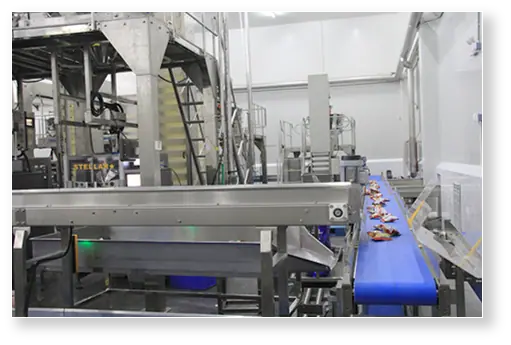
Product fragility, carton compression, inner packaging, headspace, handling, vibration, repeated movement and pallet or carton configuration can all influence physical condition. Packaging therefore forms part of the breakage discussion, but it is not evidence that every broken piece was caused during transportation.
For packaging structures, sealing and carton protection, use the dedicated freeze-dried food packaging guide. The commercial breakage specification still needs its own inspection point and classification method.
How Should Buyers Evaluate Breakage During Sample Approval?
A small sales sample may not experience the same filling, carton stacking and transport stresses as a commercial shipment. During approval, record the product format, expected piece size, definitions of intact, broken and fines, measurement method, inspection point and acceptance criteria.
Use several pieces rather than the best-looking sample, and retain the approved description or reference where appropriate. The separate article on why freeze-dried fruit samples and bulk orders can differ explains the broader causes of sample-to-commercial variation; the sample evaluation guide covers the complete sensory and documentation review.
How Should Breakage and Fines Be Written Into a Specification?
Use a structure that gives both parties the same classification and inspection instructions. The fields below are placeholders, not GlobalCrispy standards.
- Product format
- [Define the intended whole, slice, dice, piece, granule or other format.]
- Target piece dimensions
- [Define the relevant commercial size or range.]
- Intact piece
- [Define the required usable geometry and permitted minor damage.]
- Broken piece
- [Define when material no longer qualifies as intact.]
- Fines
- [Define the smallest-fragment category for this project.]
- Assessment method
- [Weight, piece count or another agreed method.]
- Sampling method
- [Define how cartons and sample material will be selected.]
- Inspection point
- [Define where and when the assessment applies.]
- Acceptance tolerance
- [Insert the value agreed by buyer and supplier.]
Example: Turning a Vague Requirement Into a Commercial Specification
Vague: “Strawberry slices should have low breakage.”
Commercial approach: Define the approved slice format, state how a broken slice is classified, define the fines category, name whether assessment is by weight or piece count, identify the inspection point and agree the acceptance tolerance before commercial production.
This is deliberately a framework rather than a percentage. The appropriate value has to be agreed for the actual fruit, cut, application and supply route.
What Should Buyers Photograph or Record During Inspection?
Useful records include carton or lot identification, unopened packaging condition, a representative product spread, the separated intact pieces, broken pieces and fines, sample weight where applicable, inspection location and date, and the classification method used.
Photographs are most useful when they show the same sample before and after separation and include enough context to identify the carton or lot. The goal is to let buyer and supplier discuss the same evidence, not to turn every variation into a complaint.
What Information Should Buyers Send When Requesting a Quote or Sample?
Send the fruit type, intended application, required format, target size, acceptable appearance, breakage expectations, fines requirement, packaging format, destination market, estimated volume and any QA or testing requirements.
If the acceptable breakage level is not yet known, start with the application and required format. A commercial sample review can then help establish the classification and agreed tolerance before the bulk order. This information also makes a quotation for bulk freeze-dried fruit easier to compare on the same basis.
Buyer Checklist Before Approving a Bulk Order
- ☐ Intended application defined
- ☐ Fruit format defined
- ☐ Target size defined
- ☐ Intact piece defined
- ☐ Broken piece defined
- ☐ Fines defined
- ☐ Measurement method agreed
- ☐ Sampling method agreed
- ☐ Inspection point agreed
- ☐ Acceptance criteria agreed
- ☐ Packaging reviewed
- ☐ Approved reference retained where appropriate
Frequently Asked Questions
What counts as breakage in freeze-dried fruit?
Breakage is material that no longer meets the agreed definition of an intact piece. The boundary should be based on the approved format, size and application, not appearance alone.
What are fines in freeze-dried fruit?
Fines are the smallest fragments or particles separated from the intended format. The project specification needs to define where broken pieces end and the fines category begins.
Is there a standard acceptable breakage percentage?
No single percentage is useful for every fruit, format and application. The buyer and supplier need to agree the category definitions, method, inspection point and tolerance for the selected product.
Are fines considered a quality defect?
Not automatically. Fines may be unsuitable for a visible retail snack but usable in some ingredient applications. Their significance depends on the agreed specification and intended use.
Should breakage be measured by weight or piece count?
Weight can suit fragment-heavy material and fines measurement; piece count can suit products where visible intact pieces matter. Some projects may use both.
When should breakage be inspected?
The agreement should name the relevant inspection point, such as finished packed goods, before shipment or at destination. Results from different points should not be treated as automatically equivalent.
Does shipping increase freeze-dried fruit breakage?
Transport can expose fragile products to vibration, compression and repeated handling, but shipping is not the only possible source of breakage. Review the packaging, inspection records and agreed inspection point before assigning a cause.
Should retail snacks and ingredient applications use the same tolerance?
Not automatically. Retail appearance and ingredient performance are different commercial requirements, though either application may still need tight control.
How should buyers define breakage before placing a bulk order?
Define the original format, intact piece, broken piece, fines, assessment method, sampling method, inspection point and agreed acceptance tolerance in the commercial specification.